Availability Heuristic in Hospitality Safety
This week I’ve read about the Availability Heuristic, with information taken from The Decision Lab.com. I’ve then tried to relate this information to safety.
The availability heuristic is a mental shortcut that allows us to make choices easier and faster. We base decisions on information that comes easily to mind, rather than objective analysis of facts.
For example, people may overestimate the dangers of plane crashes, shark attacks, and rare diseases if there have been recent events, vividly reported on the news.
In some respects, it’s important that we do easily recall major events associated with safety. Knowledge of these incidents and help change attitudes and improve culture.
The main danger, as I see it, is when memorable events aren’t easily recalled. This can lead us to underestimating the danger.
For example, in food safety, we might not easily recall food poisoning outbreaks related to long, slow cooking. This might lead us to underestimate the danger, take short cuts, and not follow the correct procedures. The effect is increased when we, personally have not experienced such an incident.
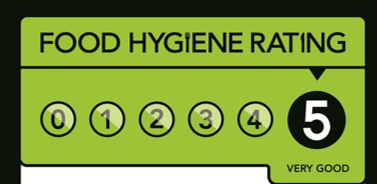
Recent, positive, memorable events can also result in overconfidence. For example, a recent Five rating and glowing praise from EHO can can result in overconfidence, and lessen focus on the standards that brought us the reward. This is closely related to over confidence bias, where subjective confidence in our abilities is greater than objective evidence. Often illustrated by the fact around 44% of UK marriages end in divorce, but most newly weds would estimate the likelihood of divorce for them to be around 0%.
The ‘availability short cut’ is deeply ingrained and largely necessary. When starting a car journey, it’s not feasible to analyse every factor of our forthcoming journey to evaluate the risk. Being aware that car accidents do occur is sufficient to focus our attention on driving safely.
As with most bias I’ve read about, it’s difficult to avoid. Even being aware of its existence doesn’t necessary mean we can overcome its dangers.
In addition, as noted above, the knowledge of risks and consequences of mistakes can help drive improvements.
Perhaps as a food safety and health and safety trainer I should use case studies and real-life examples to illustrate route cause failings, rather than specific subjects. For example, if I describe an horrific incident involving a deep fat fryer, learners are likely to easily recall the dangers of hot oil. They’re perhaps less likely to recall the dangers of taking shortcuts (for example not allowing enough time for the oil to cool). However, taking short cuts can equally result in accidents involving chemicals, working at height, or many aspects of food safety.
I’m not in any way an expert in psychology, I’m just interested in how it relates to safety.
Through my company I provide food safety and health and safety training at levels three and four. More information is available on my website Hygienie.org